

When you browse an online store or glance at a brand’s latest campaign, the words you see do more than describe a product—they quietly shape your perceptions and decisions. Fashion copywriting isn’t just about catchy phrases; it’s about creating a voice that draws you in, tells a story, and makes you pause. If you want to see how words become a crucial part of every fashion sale, there’s more to discover.
Copywriting plays a critical role in shaping customer perceptions of a fashion brand, influencing not only brand awareness but also customer loyalty and sales. In a competitive market, effective copy communicates the intrinsic value of each product, allowing consumers to appreciate the details behind a seemingly simple item, such as a summer dress.
Well-written product descriptions, optimized titles for search engines, and relevant media captions contribute to a brand's visibility while fostering trust among potential customers.
Rather than relying solely on direct calls to action, such as "Contact Us," it is beneficial for brands to create a narrative that resonates with their audience, encouraging emotional connections.
This approach emphasizes the importance of conveying an experience through fashion, where consumers can envision themselves looking and feeling appealing in the presented items.
The influence of copy extends beyond initial engagement; it is integral to reinforcing customer trust, providing straightforward communication, and advocating for the brand's values and rights.
Ultimately, thoughtful copywriting is a key component of a successful fashion marketing strategy.
A distinct brand voice serves as a critical element for any fashion label, functioning as a signature that offers customers a consistent point of reference. This familiarity helps establish trust, which is particularly important in a saturated market.
A well-defined brand voice communicates the essence of a label succinctly and effectively, allowing it to differentiate itself from competitors. For instance, when marketing a summer dress, the copy should aim to evoke an experience rather than simply highlighting aesthetic appeal.
The use of carefully selected guiding words can enhance the brand's messaging, influencing everything from product descriptions to media captions and SEO content. Speaking directly to your target audience fosters a sense of connection, which can ultimately support customer loyalty and drive sales.
Furthermore, ensuring that your brand's narrative and rights reserved statements are consistent and aligned reinforces the overall message, contributing to a cohesive brand identity. A thoughtful approach to establishing and maintaining this voice is essential for long-term brand success.
Effective product titles and descriptions are essential in connecting your offerings with potential customers. They play a significant role in enhancing discoverability and fostering interest.
In the realm of fashion marketing, a well-structured product title should convey the style, brand, and key features immediately. For example, a title like “Brand Summer Dress, Linen, Blue, Open-back, Medium” provides potential buyers with clear, pertinent information at a glance. This structured approach can improve search engine optimization (SEO) and sales performance, particularly in competitive markets.
Descriptions should be crafted with care, as they contribute to building customer trust and evoking a suitable emotional response. It is important for these descriptions to go beyond superficial details.
Effective descriptions address the target audience directly, highlighting the benefits and helping customers envision themselves utilizing the product. This approach not only informs but also enhances the customer’s experience, thereby promoting a deeper connection with the product.
Overall, clear and concise product titles and descriptions are fundamental components of successful marketing strategies in the fashion industry.
Sensory language is an effective strategy in fashion product copy because it enhances the reader's experience by providing descriptive cues related to texture, appearance, and overall sensation. By incorporating phrases that evoke sensory responses, such as describing a summer dress as "whisper-light linen that cools your skin," brands can differentiate themselves in a competitive marketplace.
This approach not only captures the potential customer's attention but also fosters a sense of trust and connection.
Descriptive language serves a dual purpose; it does more than simply convey aesthetic details—it invites customers to envision the experience associated with the product. Rather than using generic terms like "nice fabric," a focus on sensory details can lead to a more engaging and relatable product presentation.
This method is crucial in generating interest and facilitating purchasing decisions.
Furthermore, effective descriptions not only enhance immediate sales potential but also contribute to broader marketing strategies, including search engine optimization (SEO), social media, and other media representations.
By aligning descriptive copy with customer values and experiences, brands can improve engagement and conversion rates in their target markets.
Certain fashion brands tend to remain memorable to consumers even after a brief encounter with their latest collection. This phenomenon is often attributed not solely to the products themselves, but to the narratives that accompany them.
In the competitive landscape of the fashion industry, effective storytelling within marketing and promotional content can distinguish a brand from its competitors. A well-crafted product description has the potential to transcend mere aesthetics; it can evoke emotions and create a deeper connection with consumers.
When a brand's messaging is tailored to resonate with its target audience, it fosters a sense of trust and loyalty. This relationship is crucial, as consumer behavior increasingly leans towards brands that convey authenticity and relatability.
Moreover, sharing behind-the-scenes stories through social media and other channels can enhance brand perception. Providing insights into the design process, the inspiration behind collections, or the ethical practices employed in production can strengthen consumer engagement.
Such transparency not only drives sales but also contributes to building a brand’s credibility and long-term success.
In summary, storytelling in fashion marketing can serve as a strategic tool that influences consumer attitudes and purchasing decisions, ultimately leading to a more profound and lasting impact on the brand-consumer relationship.
The content on your website plays a crucial role in forming visitors' initial impressions of your brand, often before they encounter your products. Well-crafted fashion marketing copy effectively communicates the essence of your brand while addressing the specific preferences of your target audience.
Rather than generic phrases like “Contact Us,” consider implementing language that invites engagement and emphasizes the unique experiences associated with your products. For instance, ensure that product descriptions for each item, from summer dresses to specialized offerings, are designed to foster trust and are optimized for search engines.
Investing time in creating descriptions that align with your brand narrative and industry standards is essential. Consistency in messaging can enhance sales, cultivate customer loyalty, and increase overall impact in a competitive market.
For more information about how we handle user data, please refer to our Privacy Policy and Terms of Use.
A well-crafted slogan serves a fundamental role in branding by encapsulating a company's core values and unique positioning in a succinct manner. In the competitive fashion industry, effective slogans should convey the narrative behind the products while directly appealing to the target demographic. This approach enables brands to foster a connection that extends beyond superficial aesthetic appeal, ultimately contributing to customer trust and increased sales.
For instance, rather than employing a straightforward call-to-action like "Contact Us," a thoughtfully conceived tagline can facilitate deeper customer engagement. An example such as "Dress for Summer" exemplifies a simple yet effective phrase that is both memorable and aligned with search engine optimization (SEO) practices.
Moreover, consistent use of such taglines across various platforms—including product descriptions and social media content—can reinforce brand identity and cultivate customer loyalty.
Overall, utilizing impactful slogans is a strategic approach that, when executed thoughtfully, can enhance a brand's resonance within its market.
Email campaigns have become an essential component of marketing strategies for fashion brands, particularly as digital communication channels continue to become increasingly saturated. The effectiveness of these campaigns largely hinges on several critical factors, namely subject lines, personalization, and message segmentation.
Subject lines play a pivotal role in determining whether an email is opened. A well-crafted subject line can capture the recipient's attention amid a crowded inbox.
Personalization is another vital aspect; tailoring messages to individual preferences and behaviors can significantly enhance engagement rates. Message segmentation, or dividing the audience into distinct groups based on demographic or behavioral characteristics, allows brands to deliver more relevant content, thereby improving response rates.
Additionally, narrative-driven copy and descriptions that reflect the brand's identity can strengthen customer connection. Crafting a cohesive story that aligns with the audience’s lifestyle and aspirations can increase relatability.
For instance, emails focused on specific fashion themes, such as summer collections, can encourage customers to envision themselves in the featured apparel, thereby enhancing the likelihood of a purchase.
Ultimately, effective email marketing transcends mere product promotion. By focusing on selling an experience rather than just products, fashion brands can foster a deeper emotional connection with their audience, which can lead to increased sales and brand loyalty.
Through strategic content development and targeted messaging, brands can distinguish themselves in a competitive marketplace.
In a crowded online marketplace, effectively guiding customers to your products requires a strategic approach to content creation. Start with clear and descriptive product titles that incorporate essential elements such as brand name, product type, color, key features, size, and material. This practice not only aids in customer recognition but also enhances search engine optimization (SEO), allowing for better visibility in search results.
In addition to product titles, it is important for product descriptions to include relevant SEO keywords, thereby improving the likelihood of appearing in search queries. For instance, when describing a summer dress, the text should resonate with the intended audience by clearly communicating the unique value proposition of the product. Descriptions that articulate the benefits and experiences associated with the product help establish trust with potential buyers and facilitate purchasing decisions.
Utilizing structured formats, such as bullet points and media captions, can further enhance clarity and engagement. These elements contribute to a well-rounded presentation of the product, allowing customers to quickly discern the brand identity and product benefits amidst competition.
Overall, a strategic focus on content optimization not only aids in conversion but also establishes a recognized presence in the marketplace.
The fashion industry increasingly relies on speed and accuracy in product listings, making AI tools an important asset for brands striving to adapt to continuous market fluctuations.
For instance, tools like Pixyle can analyze apparel items to produce tailored descriptions that resonate with potential buyers. This approach moves beyond basic calls to action such as “Contact Us” or generic mentions of policies; instead, it focuses on crafting content that directly addresses the needs and interests of the target audience.
Effective copy should evoke an emotional response, foster trust, and ultimately contribute to sales performance.
Additionally, AI technologies can enhance marketing narratives, enhance search engine optimization (SEO), and establish credibility in a competitive landscape. By leveraging these tools, brands can not only streamline their content creation process but also improve their overall market presence.
In fashion copywriting, your words have the power to shape perceptions and drive purchases. By focusing on storytelling, sensory language, and your brand’s unique voice, you’ll connect with customers on a deeper level. Remember, effective copy doesn’t just inform—it inspires action and loyalty. Use data, adapt your strategies, and stay current with trends to keep your messaging sharp. Ultimately, compelling copy positions your brand for lasting success in a competitive industry.
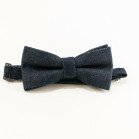 Dark Blue Denim Bowtie $19.99
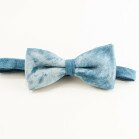 Light Acid Wash Bowtie $19.99
